
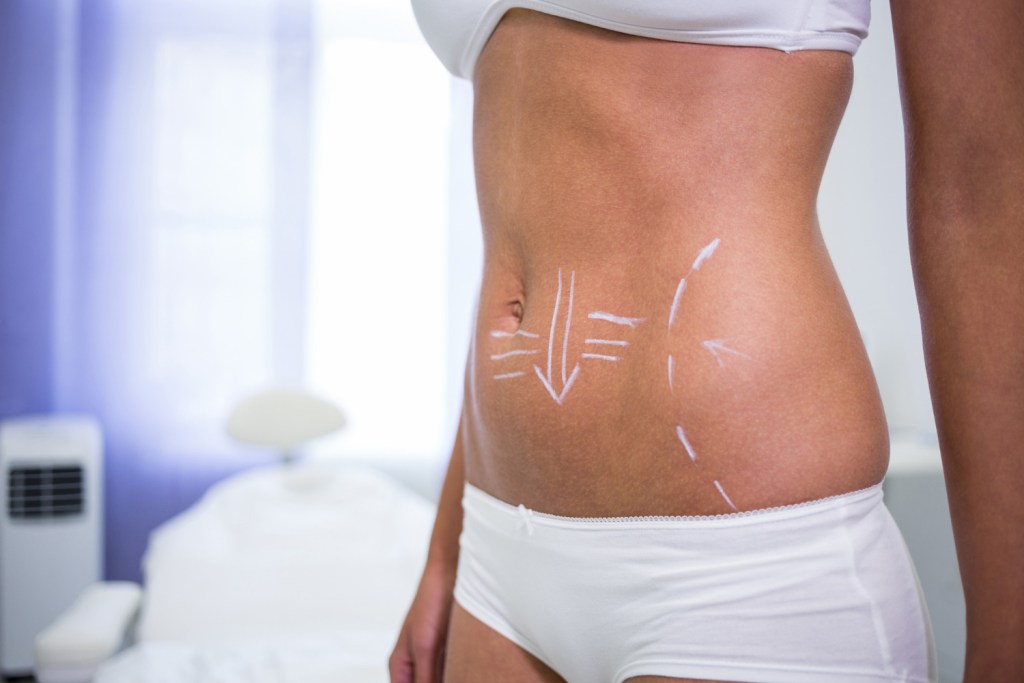
Liposuction, often referred to as “lipo,” is a popular cosmetic surgical procedure designed to remove stubborn fat deposits from specific areas of the body. Unlike weight-loss surgeries, liposuction is intended for body contouring and sculpting, helping individuals achieve a more toned and proportionate appearance.
How Liposuction Works
During a liposuction procedure, a plastic surgeon uses a hollow stainless steel tube called a cannula, which is inserted through small incisions in the skin. The cannula is then used to suction out unwanted fat from targeted areas such as the abdomen, thighs, buttocks, arms, back, and under the chin . The technique aims to reshape and contour these areas, resulting in a smoother and more defined silhouette.
Common Liposuction Techniques
Several liposuction techniques are employed to enhance precision and minimize recovery time:
Tumescent Liposuction: Involves injecting a solution of saline, lidocaine, and epinephrine into the treatment area to reduce bleeding and numb the area.
Ultrasound-Assisted Liposuction (UAL): Uses ultrasonic vibrations to liquefy fat cells, making them easier to remove.
Laser-Assisted Liposuction (SmartLipo): Employs laser energy to melt fat and tighten skin.
Power-Assisted Liposuction (PAL): Utilizes a mechanized cannula that moves back and forth to facilitate fat removal.
Ideal Candidates for Liposuction
Liposuction is suitable for individuals who:
➡️ Have localized fat deposits resistant to diet and exercise.
➡️ Are at or near their ideal body weight.
➡️ Possess good skin elasticity.
➡️ Are in overall good health.
It’s important to note that liposuction is not a treatment for obesity or a substitute for a healthy lifestyle.
Recovery and Results
Post-operative recovery varies depending on the extent of the procedure and individual healing rates. Patients can expect swelling, bruising, and mild discomfort during the initial recovery period. Wearing compression garments as advised by the surgeon can help reduce swelling and support the healing process. Most individuals can return to normal activities within a few days to a week, with full results becoming apparent after several months as swelling subsides .
Frequently Asked Questions About Liposuction
Is liposuction a weight-loss solution?
No, liposuction is not intended for weight loss. It’s a body contouring procedure aimed at removing localized fat deposits.
Are the results of liposuction permanent?
While liposuction removes fat cells, maintaining a stable weight and healthy lifestyle is crucial to prevent the remaining fat cells from enlarging.
Will there be visible scars?
Incisions are typically small and strategically placed in inconspicuous areas, minimizing visible scarring.
Can liposuction treat cellulite?
Liposuction is not designed to treat cellulite. Other treatments may be more effective for this purpose.
What are the risks associated with liposuction?
As with any surgical procedure, risks include infection, bleeding, and anesthesia complications. Choosing a qualified and experienced surgeon can help mitigate these risks.
Liposuction offers a solution for individuals seeking to enhance their body contours by removing stubborn fat deposits. Consulting with a board-certified plastic surgeon can help determine if liposuction is the right option based on individual goals and health considerations.