
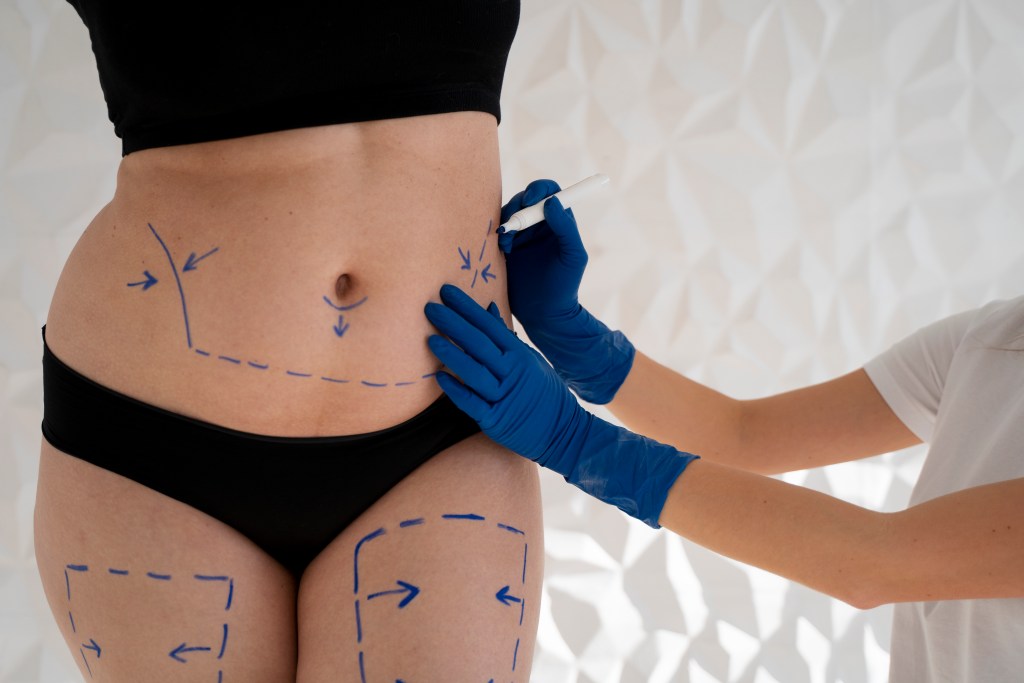
Liposuction is one of the most popular cosmetic procedures worldwide, helping patients achieve a more contoured body. While the surgery itself is relatively straightforward, understanding the recovery timeline is crucial for optimal results and minimizing complications. This guide provides a week-by-week overview of recovery after liposuction, covering what to expect, care tips, and important milestones.
Week 1: Immediate Post-Op Recovery
The first week after liposuction is focused on healing and managing discomfort. Patients typically experience swelling, bruising, and mild pain, which can be managed with prescribed medications. Compression garments are essential during this period to reduce swelling, support the treated areas, and improve skin adherence. Most patients are encouraged to walk short distances to promote blood circulation but should avoid strenuous activity.
During this phase, it is normal to feel fatigue and soreness, and adequate rest and hydration are critical. Doctors may also provide guidelines for lymphatic drainage massage to accelerate healing.
Week 2: Reducing Swelling and Bruising
By the second week, swelling and bruising generally begin to subside, though some residual discoloration may remain. Pain levels decrease significantly, and patients often feel more comfortable resuming light daily activities.
Maintaining the compression garment and following a healthy diet can help reduce inflammation and support recovery. Some patients may start noticing subtle contour improvements, but full results are not yet visible.
Week 3: Returning to Normal Activities
During week three, many patients can resume moderate activities and light exercise, depending on their surgeon’s recommendations. Swelling continues to decrease, and the treated areas begin to take shape. It is essential to avoid high-impact workouts or heavy lifting, as the body is still in the healing phase.
Additionally, this is an ideal time to focus on posture, gentle stretching, and mobility exercises to ensure the body adapts to its new contours.
Week 4–6: Significant Improvement
By weeks four to six, most patients see noticeable improvements in body shape. Swelling and bruising are typically minimal, and the skin begins to smooth over the treated areas. At this stage, patients may resume regular workouts gradually, focusing on low- to moderate-impact activities.
During this period, maintaining healthy nutrition and avoiding alcohol or smoking can significantly improve skin elasticity and final results. Many surgeons recommend continued use of light compression garments for optimal outcomes.
Week 7–12: Final Results Begin to Emerge
Between weeks seven and twelve, patients usually experience final contouring, with swelling mostly resolved. Skin tightens, and the treated areas achieve more defined appearance. Regular exercise and a balanced diet help maintain results long-term.
It is also a good time for patients to evaluate overall results and schedule a follow-up appointment with their surgeon to discuss any concerns or additional treatments if needed.
Tips for a Smooth Recovery
-
Always wear compression garments as recommended by your surgeon.
-
Stay hydrated and maintain a balanced diet rich in protein and vitamins.
-
Avoid smoking and excessive alcohol to promote proper healing.
-
Take prescribed medications and follow post-op instructions carefully.
-
Schedule follow-up appointments to monitor progress and address concerns.
Frequently Asked Questions About Liposuction Recovery
1. How long does it take to recover from liposuction?
Most patients can return to normal daily activities within 2–3 weeks. Complete healing and final results typically take 3–6 months, depending on the area treated and individual healing rates.
2. Is swelling after liposuction normal?
Yes. Swelling is a natural part of the healing process and can last several weeks, gradually diminishing over time. Compression garments help control it.
3. When can I exercise after liposuction?
Light activities can often begin after 2–3 weeks, but high-impact exercises or heavy lifting should be avoided until cleared by your surgeon.
4. Will liposuction scars be visible?
Scars from liposuction are usually small and placed in discreet areas. They fade over time and often become barely noticeable within several months.
5. How can I maintain my liposuction results?
Maintaining a healthy lifestyle, regular exercise, and balanced diet is key to preserving results. Weight fluctuations can affect long-term outcomes.